
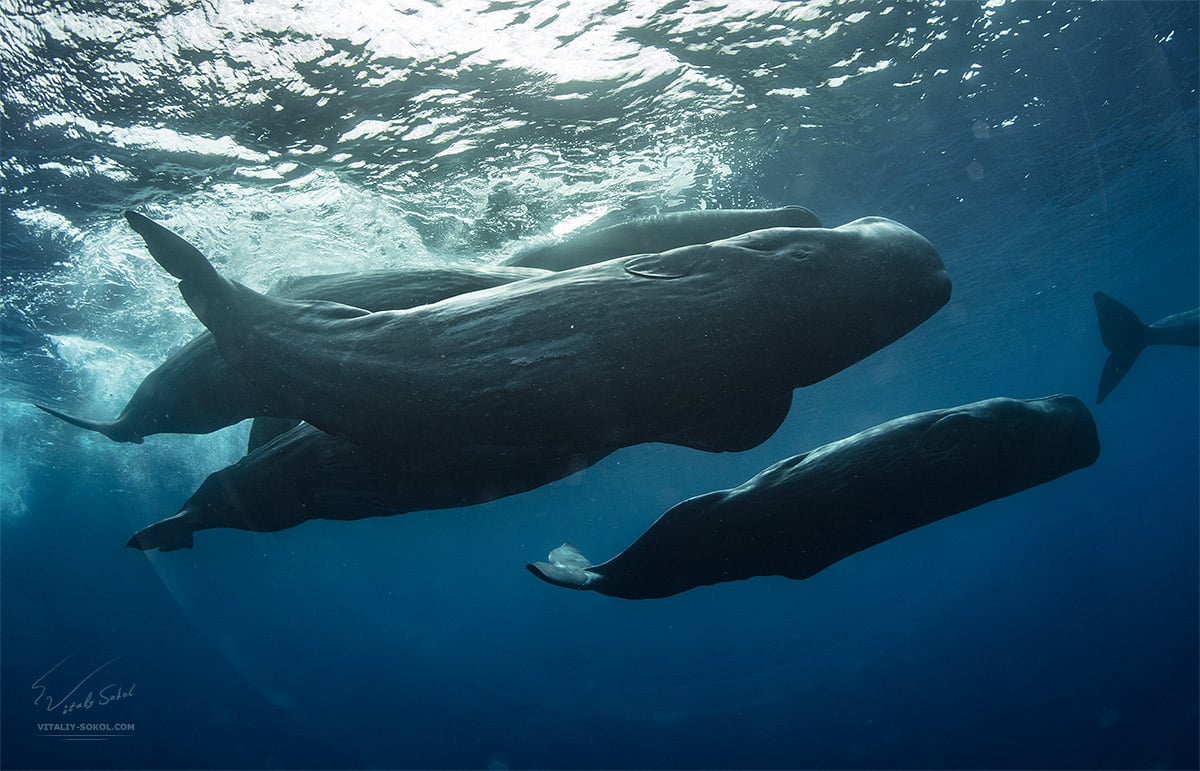
Wondering what went right recently in the conservation world? We’ve got you covered with our Conservation Optimism Round-Up! We are collating stories of optimism from around the globe so that you never miss your dose of motivation. (Featured image credit: Will Falcon aka Vitaly Sokol, Wikimedia Commons)
.jpg)
1. Large tortoiseshell butterfly confirmed no longer extinct in UK
The large tortoiseshell – an elusive and enigmatic butterfly that became extinct in Britain in the last century – is a UK resident species once again, with a flurry of early spring sightings. Britain’s list of native butterflies has increased to 60 with the return of the insect after individuals emerged from hibernation in woodlands in Kent, Sussex, Hampshire, Dorset, Cornwall and the Isle of Wight.
The sightings have led Butterfly Conservation to declare the large tortoiseshell (Nymphalis polychloros) a resident species in the UK – as opposed to a migratory one – for the first time in the charity’s 58-year history.
Large tortoiseshell butterfly confirmed no longer extinct @guardian
— Philip Lymbery (@philip_ciwf) March 9, 2026
A rare glimmer of good news in a tragically nature depleted UK
When we set our minds to it, we can nurture and support our fellow species#NatureNeedsUshttps://t.co/ZB8wh9rS9A
2. The first kākāpō chick of the breeding season has hatched on Pukenui Anchor Island.
Kākāpō Yasmine hatched an egg fostered from kākāpō Tīwhiri on Valentine’s Day, bringing the total number of kākāpō to 237 – though it won’t be officially added to the population until it fledges.
DOC Operations Manager for kākāpō/takahē Deidre Vercoe says the first chick of the breeding season is an exciting moment on the long road to recovery for this critically endangered species. “These exceptionally rare taonga only breed every 2–4 years, so it’s a long time between chicks. We have more breeding-age birds than ever before this season, so we’re anticipating many more chicks to come.”
Checking on 1 day old #kakapo chick Waa-A3-2026 in Waa's nest on Pukenui/Anchor Island. We check the chicks twice in the first 4 days, and then less frequently as they get older. #kakapo2026 #conservation #parrots
— Andrew Digby (@digs.bsky.social) 1 March 2026 at 07:19
[image or embed]
3. An Indigenous community in Brazil is celebrating an environmental win
Protesters occupied a Cargill port facility on the Tapajos River, after plans to open up Amazon waterways to more private shipping. Grains such as soy and corn are moved on the river before export. But the protesters said it would impact water quality and fishing they rely on to survive.
Now the government has backed down and revoked the decree.
An Indigenous community in Brazil is celebrating an environmental win.
— Channel 4 News (@Channel4News) February 24, 2026
Protesters occupied a Cargill port facility on the Tapajos River, after plans to open up Amazon waterways to more private shipping.
Grains such as soy and corn are moved on the river before export.
But the… pic.twitter.com/PO3RJvz9Ur
4. Hope for Asian tapirs
Archived camera-trap images have revealed a potential new stronghold for endangered Asian tapirs in Thailand’s Khlong Seang–Khao Sok Forest Complex.
A study using camera-trap “bycatch” data suggests the forest could hold far more tapirs than previously thought, though researchers urge caution.
Archived camera-trap images have revealed a potential new stronghold for endangered Asian tapirs in Thailand’s Khlong Seang–Khao Sok Forest Complex. A study using camera-trap “bycatch” data suggests the forest could hold far more tapirs than previously thought, though researchers urge caution.
— Mongabay (@mongabay.com) 7 March 2026 at 02:30
[image or embed]
5. Drax power plant to stop burning controversial Canadian wood within next year
Another UK story… this Yorkshire power plant has been criticised for taking material from some of British Columbia’s most environmentally important forests. Now the owner of the Drax plant has started reducing the amount of Canadian wood pellets it burns, and will stop burning trees from British Columbia entirely within the next year.
Drax power plant to stop burning controversial Canadian wood within next year
— Guardian Environment (@environment.theguardian.com) 26 February 2026 at 17:31
[image or embed]
6.Botswana shows how smarter cattle herding can save lions, reopen ancient wildlife pathways
Reviving traditional herding in northern Botswana has sharply reduced cattle losses and retaliatory lion poisonings in the Okavango Delta. Lion cub survival is rising, and the region’s lion population has grown 50% in four years, with potential to reopen long-blocked wildlife corridors.
Reviving traditional herding in northern Botswana has sharply reduced cattle losses and retaliatory lion poisonings in the Okavango Delta. Lion cub survival is rising, and the region’s lion population has grown 50% in four years, with potential to reopen long-blocked wildlife corridors.
— Mongabay (@mongabay.com) 25 February 2026 at 16:35
[image or embed]
7. Azores dodges proposal to overturn no-fishing zones in its giant new MPA network
The Azores’ new MPA network now protects 30% of regional waters.
Lawmakers quickly reaffirmed its key rule — no fishing in fully protected zones — drawing praise from conservationists and concern from fishers.
The Azores’ new MPA network now protects 30% of regional waters. Lawmakers quickly reaffirmed its key rule — no fishing in fully protected zones — drawing praise from conservationists and concern from fishers.
— Mongabay (@mongabay.com) 25 February 2026 at 00:10
[image or embed]
Have a story to share for our weekly round-up? Use #ConservationOptimism on Bluesky, Facebook, LinkedIn and Instagram!
