
Ready for a splash of good news from the natural world? Our Conservation Optimism Round-Up brings you stories of species bouncing back, habitats thriving, and communities making a difference. Start your week feeling inspired!
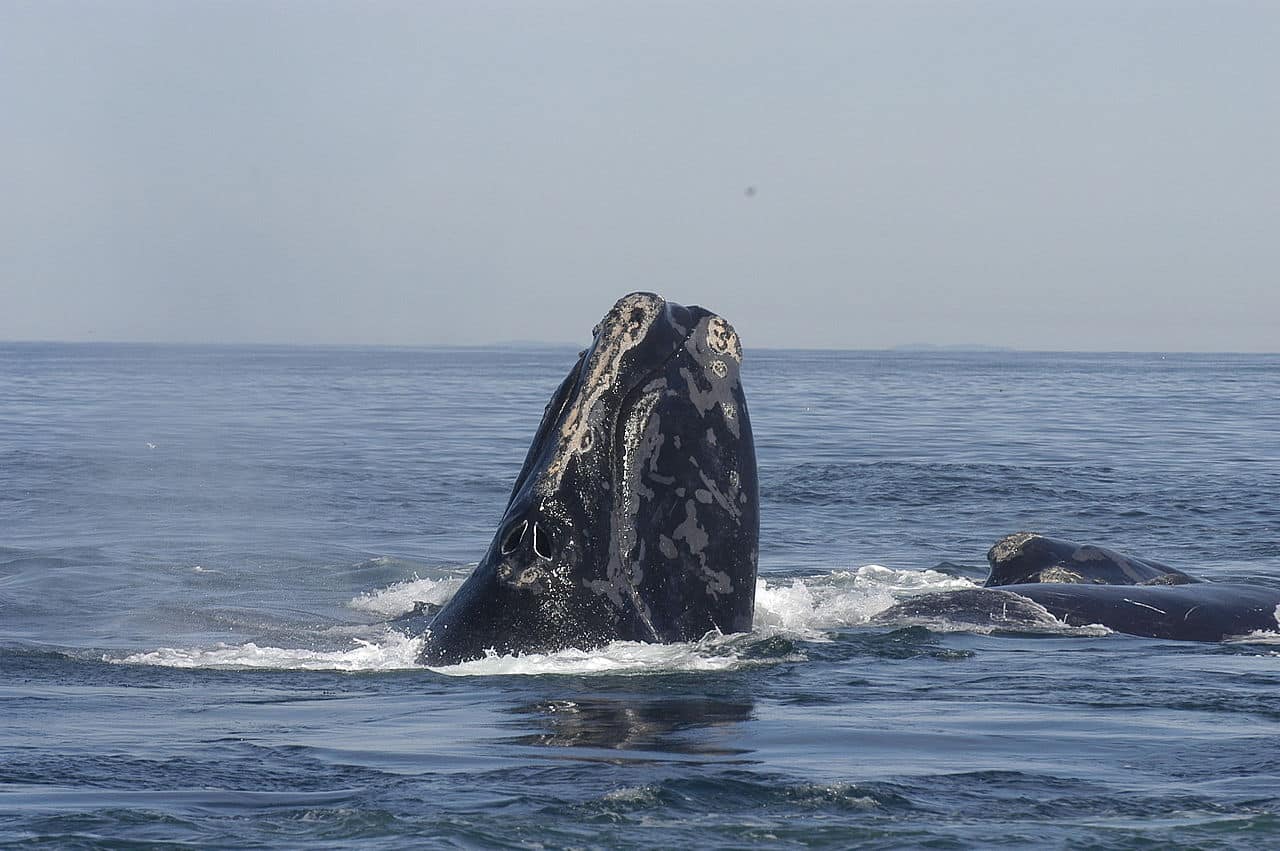
(Featured image: North Atlantic right whale via Wikimedia Commons, CC BY-SA 4.0)

1. North Atlantic right whale “Champagne” welcomed the first calf of the season.
“Every year, North Atlantic right whales make a dangerous migration from the cold waters of New England and Canada to the warmer seas off the Carolinas, Georgia, and Florida to give birth and nurse their calves. Along the way, they must avoid nearly one million fishing lines and heavy vessel traffic. With only about 380 whales remaining, every calf is critical to the survival of this endangered species.”
BIG NEWS: North Atlantic right whales have now welcomed 21 total calves this season—shattering a 15‑year record! 🎉
— Oceana (@oceana) January 27, 2026
Scientists consider 20 births to be the benchmark of a productive calving season & a win for these animals.
See all the mom & calf pairs: https://t.co/TdtHge9YJc pic.twitter.com/nfvWptgYVP
2. Swift nesting bricks have passed the Scottish Parliament and will now become law.
“Scotland’s parliament has passed an amendment to the Natural Environment Bill that will protect swifts by ensuring that every newly built home in Scotland is equipped with a swift brick, providing nesting space for these birds.”
🚨 It's official!
— Scottish Greens (@scottishgreens) January 28, 2026
Swift nesting bricks have passed the Scottish Parliament and will now become law.
Swifts are in serious decline across the UK. This will help reverse that trend and make our communities more liveable for birds.@markruskell and @WriterHannahBT explain 👇 pic.twitter.com/lm6nCemzUu
3. Success of marine-focussed community project leads to British Empire Medal
“From protections for more than half of the world’s seas and a ‘forever chemical’ ban, to rescued dolphins and a boost in whale populations, we’ve rounded up the latest good news stories for our seas.”
4. European Wildcats Are Slowly Making a Comeback in the Forests of Central Europe
“Recently, a team of researchers in the Czech Republic made a surprising but promising discovery — European wildcats (Felis silvestris) were reproducing in the Lusatian Mountains, a range that lies on the border with Germany.”
“It’s exciting that this report suggests wildcats could be part of the region’s nature once again.” #rewilding #conservationoptimismhttps://t.co/Jp55QYzMH8
— Citizen Zoo (@CitizenZoo) February 7, 2026
5. How Tunisia Transformed an Invasive Crab into Export Success
“Once a destructive invader, Tunisia’s blue swimming crab is now a valuable seafood export, creating jobs, boosting communities, and even supporting biotech innovation—a powerful example of turning a crisis into opportunity.”
When you can't beat them eat them. My news to me good news for Feb 5 #OceanOptimism #EarthOptimism https://t.co/R6xpeyVfwo
— Dr. Nancy Knowlton (@SeaCitizens) February 5, 2026
6. Zambia’s First Pangolin Protection Campaign
“In Solwezi, Zambia, something remarkable is unfolding: the nation’s first Pangolin Protection Campaign, co-created with traditional leaders, healers, and local communities. ”
7. Amsterdam Defies Last-Minute Lobbying to Become First Capital City to Ban Fossil Fuel Ads
“Amsterdam Defies Last-Minute Lobbying to Become First Capital City to Ban Fossil Fuel Ads.“
Not just fossil fuels - carbon-intensive products generally can no longer be advertised in public spaces in Amsterdam, my news to me good news for Jan 27 #EarthOptimism https://t.co/0hE6nO4bec
— Dr. Nancy Knowlton (@SeaCitizens) January 27, 2026
Have a story to share for our weekly round-up? Use #ConservationOptimism on BlueSky, Facebook, LinkedIn and Instagram!
